

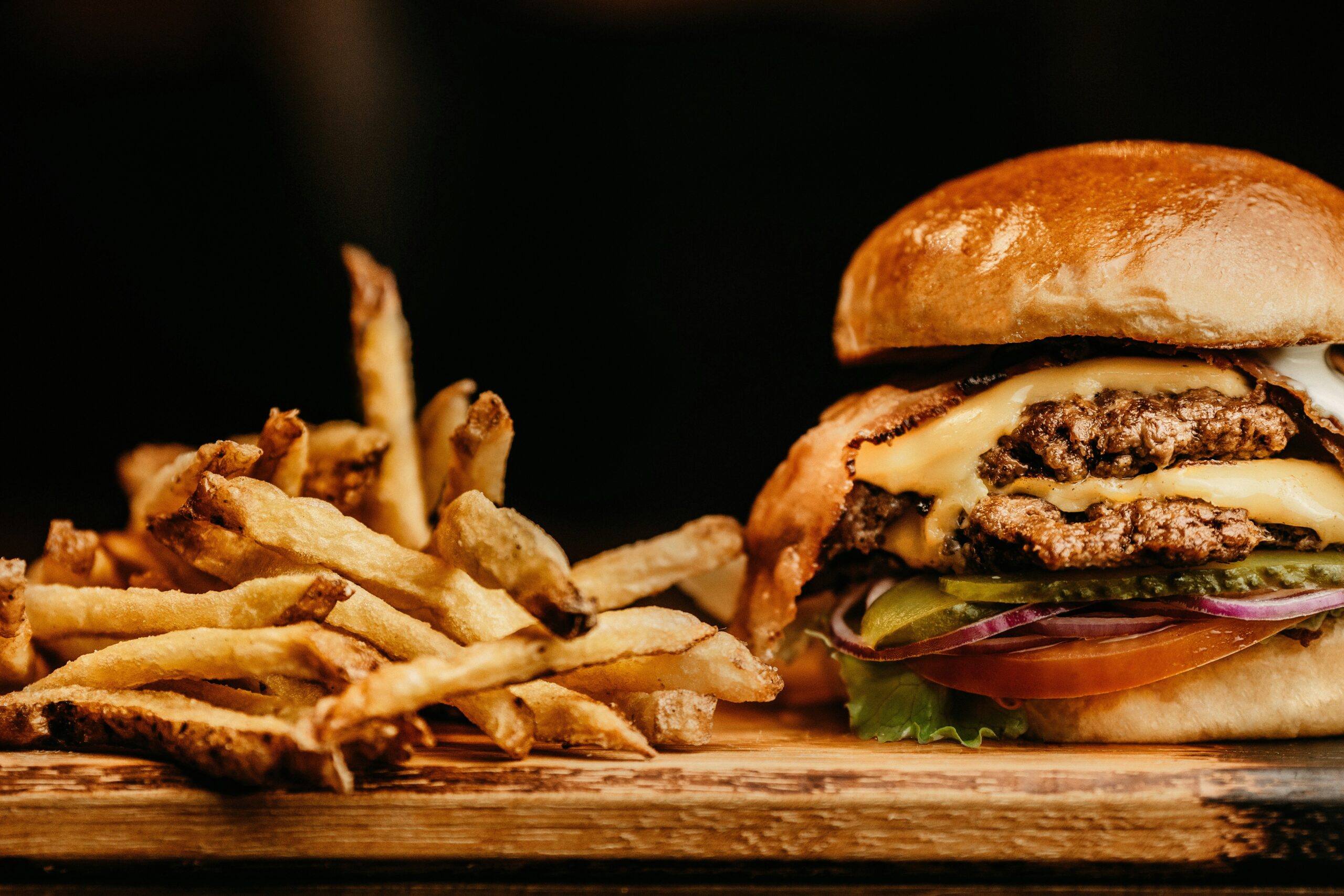
The UK’s junk food advertising ban came into full effect on 6 January, restricting advertisements for products high in fat, salt and sugar on television before 9pm and online at all times. The regulations aim to reduce childhood obesity by limiting children’s exposure to unhealthy food marketing during peak viewing hours.
The ban applies across 13 food categories including soft drinks, chocolates and sweets, pizzas, cakes, ice creams, breakfast cereals, sandwiches, sweetened bread products and yoghurts. Products are assessed using a nutrient profiling model scoring tool that evaluates saturated fat, salt and sugar content against overall nutritional value.
Government estimates suggest the ban will remove up to 7.2 billion calories from children’s diets annually and prevent approximately 20,000 cases of childhood obesity, delivering £2 billion in long-term health benefits. Plain oats, most porridge, muesli and granola remain unaffected, whilst versions with added sugar, chocolate or syrup face restrictions.
The regulations, enforced by the Advertising Standards Authority, allow manufacturers to advertise healthier product versions, which the government hopes will drive recipe reformulation across the food industry. However, the rules permit brand-only campaigns without featuring specific products, a concession made following industry pressure.
NHS data shows 22.1% of children in England are living with overweight or obesity when starting primary school, rising to 35.8% by the time they leave. Tooth decay remains the leading cause of hospital admissions among children aged five to nine. Obesity costs the NHS more than £11 billion annually.
The ban forms part of a broader prevention strategy including extending the Soft Drinks Industry Levy to sugary milk-based drinks, banning high-caffeine energy drink sales to under-16s, and empowering local authorities to block fast food outlets near schools. The measures build upon voluntary agreements that began in October 2025.
Public health organizations welcomed the ban whilst noting significant loopholes remain. Brand advertising without product imagery is still permitted, and outdoor advertising including billboards and displays is not covered by the restrictions. McDonald’s has increased outdoor advertising by 71% since 2021 according to research cited by health advocates.